

Development
In product development, we weigh performance, material use and lifespan as a whole, so that our systems are technically reliable, use raw materials more intelligently and stand up to load over time.
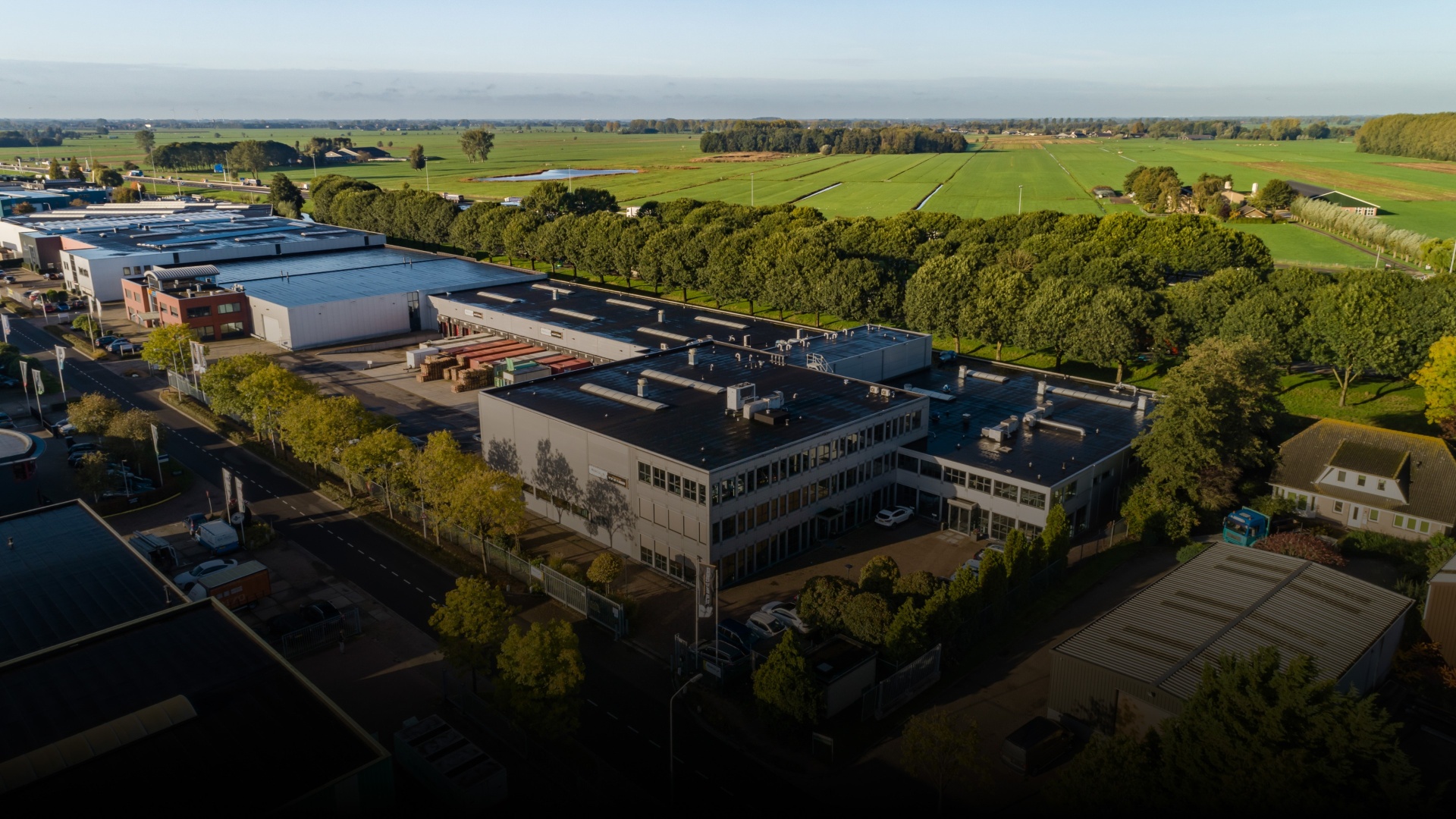
Sustainability comes from making conscious decisions at every stage, from development and production to installation and use, that support long-term performance.
That is why, at Herculan, we look beyond the handover of a floor. We consider the entire lifecycle of the system, from raw materials and installation to maintenance, daily use and renovation. Our approach is practical and technical. Sustainability is not a separate story alongside quality and performance, but an integral part of both.
A floor that wears prematurely, demands unnecessary maintenance or no longer suits the way it is used is ultimately not a sustainable solution. That is why we develop flooring systems that keep performing reliably over the long term.
We focus on lifespan and maintainability, on well-considered material choices and on technical quality that proves itself in practice. To us, sustainability is not just about what a floor contains, but above all about how long it keeps doing its job.
Because Herculan develops, produces and installs its systems in-house, we can genuinely embed sustainability in every phase of the process.
In product development, we weigh performance, material use and lifespan as a whole, so that our systems are technically reliable, use raw materials more intelligently and stand up to load over time.
.jpg?resolution=848x476&quality=95&type=webp)
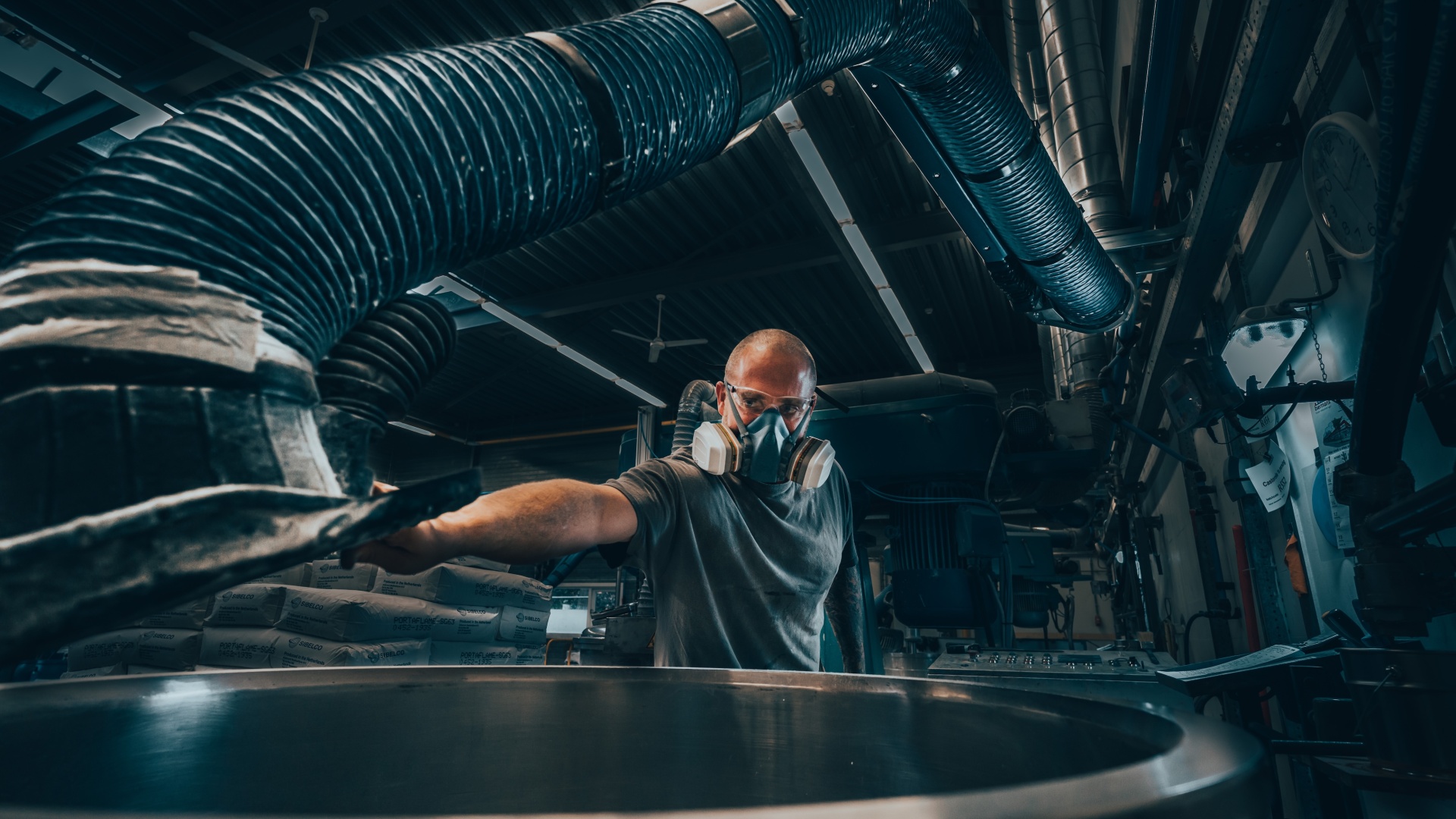
In production, we focus on quality control, efficient use of materials and reducing waste; wherever possible, we apply recycled or reusable raw materials.
.jpg?resolution=848x476&quality=95&type=webp)
And because even a good system has to be applied correctly, we keep installation in our own hands. This safeguards quality, limits failure costs and extends the functional lifespan of every floor.
Within our flooring systems, we work with solutions that reduce environmental impact without compromising performance — such as recycled materials, smart system build-up, low-maintenance finishes and renovation instead of full replacement.
We also look closely at the full life cycle. How does the floor perform under daily load? How much maintenance does the system require? Can the floor be repaired or renovated, and how long does it remain functionally fit for use?
By answering these questions early in the process, we arrive at a solution that is sustainable not just on paper, but in practice. Because the most sustainable floor is not necessarily the one with the “greenest” story — it is the floor that is technically sound, lasts long and remains manageable in use.
Technology and materials matter, but sustainability is ultimately also determined by how the work is done in practice.
That is why, alongside our systems, we invest in knowledge development, quality assurance and a conscious approach to materials and processes.
To us, sustainability is therefore not a separate story alongside quality, reliability and performance — it is precisely that combination that makes a flooring solution future-proof. By keeping control of the entire process, we can make the better choice at every stage, for today and for the long term.
-(1).jpg?resolution=960x1080)